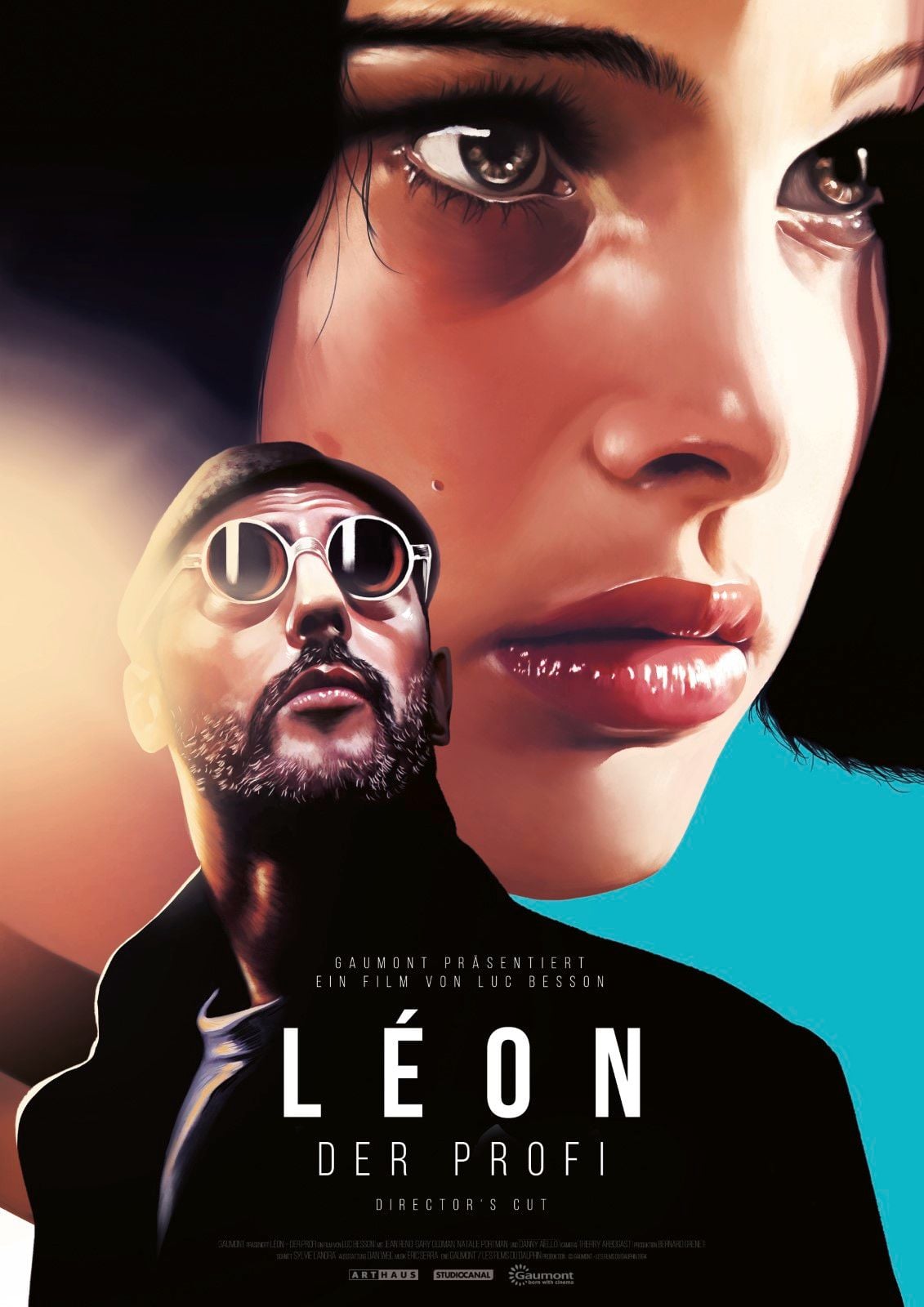
Leon Der Profi: Why Luc Besson's Cult Classic Still Resonates
Few films carve out a permanent niche in cinematic history quite like Luc Besson's 1994 masterpiece,
Léon: The Professional (or
Leon Der Profi, as it's known in German-speaking regions). More than a mere thriller, this extraordinary narrative about an unlikely bond between a hitman and a young girl has captivated audiences for decades, earning its rightful place as a bona fide cult classic. With its intense performances, distinctive style, and complex themes, the film continues to spark conversation and critical admiration. When discussing
Leon Der Profi Kritik, it's clear that its impact remains as potent today as it was upon its release, prompting a deeper look into its enduring appeal.
The Unlikely Duo: Jean Reno's Masterclass and Natalie Portman's Breakthrough
At the heart of
Leon Der Profi lies one of cinema's most memorable and peculiar pairings: Jean Reno as the titular professional killer, Léon, and a then 12-year-old Natalie Portman as Mathilda Lando. Their synergy is nothing short of grand, forming the emotional core that elevates the film beyond a simple crime drama.
Jean Reno's portrayal of Léon is widely considered one of the finest performances of his career. He brings to life a character who is, on the surface, a cold, efficient assassin, but beneath that exterior lies a man of profound internal conflict and surprising innocence. Léon is an illiterate who excels only in the art of killing, yet he’s endearingly awkward in social situations, meticulously caring for his houseplant – his "best friend" – and drinking milk instead of alcohol. This juxtaposition is what makes his character so compelling. Reno masterfully conveys Léon's duality: ice-cold and ruthless when executing his targets, yet hesitant and compassionate when faced with the vulnerability of women and children, particularly Mathilda. This nuanced, almost childlike innocence in an otherwise deadly professional is a powerful element in any
Leon Der Profi Kritik.
Equally stunning is Natalie Portman's debut as Mathilda. At just 12 (13 during filming), Portman delivers a performance of breathtaking maturity and raw emotion. Mathilda is a girl whose innocence has been brutally stripped away by a dysfunctional family and a horrific tragedy. Portman portrays her with an astonishing blend of vulnerability and precocious defiance. Her character's seemingly tough, street-smart demeanor, complete with a distinctive, slightly "provocative" early-teen style, serves as a facade for a profoundly broken and sorrowful soul. Mathilda's fierce determination for revenge, coupled with her desperate need for connection and protection, is portrayed with an empathy that belies Portman's age. It's no exaggeration to say that
Leon Der Profi was her undeniable breakthrough, setting the stage for a stellar career and cementing her status as a formidable Hollywood talent.
The unique "love relationship" between these two disparate souls – one decades older than the other – is depicted with an overwhelming sensitivity by both actors. While potentially controversial, the film handles it with a delicate touch, portraying it more as a deep, unconventional bond of mutual dependence and protection rather than a romantic one in the traditional sense. Léon, who struggles to maintain professional distance, and Mathilda, who projects her longing for a stable figure onto him, create a dynamic that remains imprinted on viewers' minds for years. It's a testament to their combined brilliance that many critics and fans argue these might be the best roles of both actors' careers. For a deeper dive into their powerful acting, consider reading our analysis:
Jean Reno & Natalie Portman: Leon's Oscar-Worthy Performances Analyzed.
Luc Besson's Vision: Crafting a Timeless Thriller
Beyond the stellar performances,
Leon Der Profi owes much of its enduring success to the visionary direction of Luc Besson. Three years before his mega-hit
The Fifth Element, Besson showcased a remarkably different, more subdued style in
Léon. While his later works would often lean into grandiose, visually spectacular sci-fi, here he demonstrates a masterful control over atmosphere, character, and emotional depth within a grittier, contemporary setting.
Besson's direction is refreshingly focused, allowing the characters and their evolving relationship to take center stage amidst the violent backdrop of New York City. He skillfully weaves moments of quiet intimacy – Léon teaching Mathilda to shoot, their shared meals, his care for his plant – with sudden bursts of visceral action, creating a compelling rhythm. The film's visual language is precise and evocative, using lighting and camera angles to emphasize the characters' isolation, fear, and eventual connection. The meticulous framing of shots and the deliberate pacing build tension without relying solely on explosive sequences.
A crucial aspect of Besson's artistry in
Léon is his ability to humanize even the darkest corners of its world. Gary Oldman's portrayal of the deranged, drug-addicted antagonist Stansfield is a force of nature, an over-the-top villain who nevertheless adds another layer of menace and unpredictability to the narrative. Besson doesn't shy away from the brutality but balances it with moments of profound tenderness, making the audience invest deeply in the protagonists' fate. The film's musical score by Éric Serra further enhances this, providing a melancholic yet hopeful backdrop that perfectly complements the narrative. Any comprehensive
Leon Der Profi Kritik must acknowledge Besson's unique touch that defines this cinematic gem.
Beyond the Violence: Themes and Enduring Resonance
What truly solidifies
Leon Der Profi as a cult classic is its audacious exploration of complex themes that resonate far beyond the confines of a typical action thriller. It’s a film about profound loneliness, the search for identity, and the desperate human need for connection. Both Léon and Mathilda are isolated figures, cast out by society in different ways, who find an unexpected sanctuary in each other. Their journey is one of mutual rescue, where Mathilda teaches Léon to open up and connect, while Léon provides Mathilda with protection and a sense of belonging she's never known.
The film bravely tackles the loss of innocence and the blurred lines between good and evil. Léon, despite being a killer, operates by a code, refusing to harm women or children, and displaying a deep naiveté about life outside his profession. Mathilda, on the other hand, embraces the darkness in her quest for revenge, yet retains glimpses of her childhood. This moral ambiguity, where protagonists are not strictly black or white, but shades of grey, is a hallmark of truly engaging storytelling. This complexity is often highlighted in retrospective analyses and
Leon Der Profi Kritik, underscoring its sophisticated approach to character development.
Even decades later, the film's emotional impact remains undiminished. Its portrayal of an unconventional family unit formed out of tragedy and necessity speaks to universal human desires for belonging and understanding. The raw performances, Besson's masterful direction, and the timeless exploration of complex relationships ensure that
Leon Der Profi continues to captivate new generations of viewers. The enduring discussions around its themes and the release of restored versions, including the Director's Cut for home cinema, only further cement its legendary status. You can explore more about this aspect here:
Leon Der Profi: 25 Years & The Director's Cut's Timeless Appeal.
Conclusion
Leon Der Profi stands as a powerful testament to Luc Besson's directorial prowess and the extraordinary talents of Jean Reno and Natalie Portman. It is a film that defies easy categorization, blending elements of a gritty thriller, a poignant drama, and an unconventional buddy movie into a seamless whole. Its critical reception has consistently highlighted its emotional depth, memorable characters, and unique narrative. Decades after its initial release, the film continues to resonate, not just as a piece of cinematic history but as a deeply moving story about connection, loss, and the unlikely places we find family. For anyone seeking a film that challenges conventions and leaves a lasting impression,
Leon Der Profi remains an essential watch, proving that true cult classics are indeed timeless.