Leon Der Profi: 25 Years & The Director's Cut's Timeless Appeal
Few films manage to embed themselves into the cultural zeitgeist with the same indelible mark as Luc Besson's 1994 masterpiece, *Léon: The Professional*, known in many regions as *Leon Der Profi*. Marking its 25th anniversary, the release of a restored Director's Cut for home cinema was a monumental event, reigniting discussions and solidifying its status as an absolute cult classic. For both long-time aficionados and new viewers, a fresh *Leon Der Profi Kritik* often circles back to its extraordinary performances, compelling narrative, and the profound emotional depth that continues to resonate decades later. This isn't just a movie; it's a cinematic experience that challenges, enthralls, and leaves an enduring impression.
The Unforgettable Alchemy: Jean Reno, Natalie Portman, and an Unlikely Bond
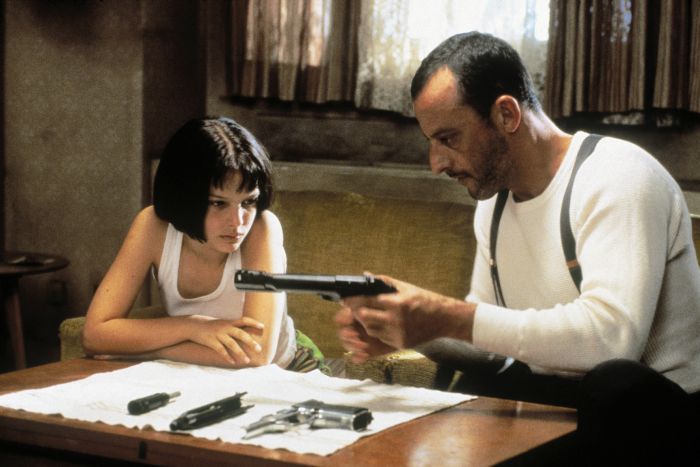
At the heart of *Leon Der Profi*'s enduring appeal lies the remarkable dynamic between its two central characters: the stoic, professional hitman Léon, played with breathtaking nuance by Jean Reno, and the precocious, vengeance-driven 12-year-old Mathilda, portrayed by a sensational Natalie Portman in her breakthrough role. Many cinephiles still agree that this film features some of the best performances Jean Reno has ever delivered. His portrayal of Léon is a masterclass in subtlety – an outwardly detached, almost child-like illiterate whose only true skill seems to be killing, yet who harbors a deep well of empathy, particularly when it comes to the vulnerable. He's a character painted in shades of grey: ice-cold and ruthless when pulling the trigger on his "clients," yet hesitant and compassionate when confronted with the plight of women and children seeking his protection. This inherent contradiction makes him immensely relatable and keeps the audience's interest piqued throughout.
Opposite Reno, Natalie Portman, then just 13 years old, delivered a performance that critics hailed as nothing short of astounding. Mathilda is a girl wise beyond her years, a broken soul seeking refuge and revenge after the brutal murder of her family. Portman conveys her character's emotional turmoil, steely determination, and fragile innocence with a maturity that belied her age. Her character's seemingly provocative attire, coupled with an undeniable self-confidence, served as a poignant façade for a deeply wounded psyche. The complex, almost 'Oscar-worthy' bond that develops between her and Léon – a unique blend of surrogate father-daughter, mentor-mentee, and a love that navigates ambiguous territory – is depicted with an overwhelming empathy by both actors. It's this extraordinary chemistry and the profound performances that arguably cemented *Leon Der Profi* as a career-best for both stars. For a deeper dive into their powerful acting, consider
Jean Reno & Natalie Portman: Leon's Oscar-Worthy Performances Analyzed.
Luc Besson's Masterpiece: Direction, Vision, and a Quieter Style
A film of such calibre naturally demands a visionary at the helm, and Luc Besson delivered precisely that. Looking back at his earlier works after 25 years offers a refreshing perspective, especially considering the vastly different style he employed in *Leon Der Profi* compared to his later mega-hits like *The Fifth Element* (released just three years later) or the more bombastic *Valerian and the City of a Thousand Planets*, where he often served as producer. In *Leon Der Profi*, Besson adopted a significantly quieter, more character-driven approach.
The film, an American-French thriller, meticulously crafts the gritty, lonely world of Léon in a rundown New York apartment, contrasting it sharply with the vibrant chaos Mathilda brings into his life. Besson masterfully balances moments of intense violence with tender, intimate scenes, allowing the emotional core of the story to breathe. He explores themes of isolation, surrogate family, the loss of innocence, and the pursuit of vengeance with a deft hand, avoiding simplistic black-and-white morality. This precise, nuanced direction is a key reason why the film continues to earn high marks in any *Leon Der Profi Kritik*, showcasing Besson's prowess in weaving a compelling narrative without succumbing to overt spectacle. His ability to create a visually striking yet deeply personal story sets *Leon Der Profi* apart as a seminal work in his filmography.
The Director's Cut: Unveiling Hidden Depths and Completing the Vision
The release of the restored Director's Cut for *Leon Der Profi* was a cause for celebration among fans and critics alike. While the theatrical release was already a powerful cinematic statement, the Director's Cut offers an even richer, more comprehensive viewing experience, adding crucial layers to the characters and their evolving relationship. Typically, director's cuts aim to restore scenes that were initially removed for pacing, runtime, or studio concerns. In the case of *Leon Der Profi*, the extended version significantly deepens our understanding of Léon and Mathilda.
Key additions in the Director's Cut include more scenes of Mathilda actively participating in Léon's "training" as a cleaner (hitman), demonstrating her growing proficiency and disturbing fascination with violence. These scenes further complicate the already ambiguous mentor-mentee dynamic, revealing Mathilda's darker impulses and Léon's internal struggle with encouraging them. The Director's Cut also amplifies the more controversial aspects of Mathilda's emotional attachment to Léon, pushing the boundaries of their relationship into even more complex and, for some, uncomfortable territory. These restored moments aren't mere embellishments; they serve to enhance the film's profound psychological undercurrents and challenge the audience's perceptions of its protagonists. For those writing a *Leon Der Profi Kritik* today, the Director's Cut is often considered the definitive version, providing a more complete and unvarnished glimpse into Besson's original vision and the raw emotional landscape of his characters. It’s a testament to the film’s narrative strength that these added scenes only intensify its impact, rather than detract from it.
The Timeless Appeal: Why "Leon Der Profi" Continues to Captivate
Decades after its initial release, *Leon Der Profi* shows no signs of losing its grip on popular culture. Its timeless appeal can be attributed to several factors. Firstly, the universal themes it explores – loneliness, the search for belonging, the complexities of unconventional family, and the moral ambiguities of revenge – are perennially relevant. Léon and Mathilda, two outcasts finding solace and purpose in each other, embody a powerful human need for connection in a cold, unforgiving world.
Secondly, the film's brilliant craftsmanship, from the compelling script to the evocative cinematography and the unforgettable score by Eric Serra, creates an immersive atmosphere that draws viewers in and refuses to let go. Even the stylistic choices, like Mathilda's defiant fashion sense, have become iconic. The film challenges viewers to confront difficult questions about morality, justice, and the nature of love, without offering easy answers. It's a film that sparks discussion, provokes thought, and rewards multiple viewings, each time revealing new layers of meaning.
Finally, the sheer power of the performances, particularly from Jean Reno and Natalie Portman, creates characters that are not just memorable but deeply etched into the cinematic consciousness. Their vulnerable yet resilient spirits, caught in a desperate dance for survival, resonate with audiences across generations. This enduring impact is a significant reason why *Leon Der Profi Kritik* pieces consistently praise its status as a benchmark for character-driven thrillers. Discover more about its lasting impact in
Leon Der Profi: Why Luc Besson's Cult Classic Still Resonates.
In conclusion, *Leon Der Profi* is more than just a film; it's a cinematic landmark that masterfully blends action, drama, and profound emotional depth. The 25th-anniversary celebration and the availability of the restored Director's Cut simply underline its enduring significance. Through the unforgettable performances of Jean Reno and Natalie Portman, guided by Luc Besson's precise vision, the film continues to captivate and challenge audiences worldwide. Its nuanced portrayal of an unlikely bond, moral dilemmas, and the search for humanity in a brutal world ensures its place as a truly timeless classic worthy of continuous critical appraisal and heartfelt admiration.